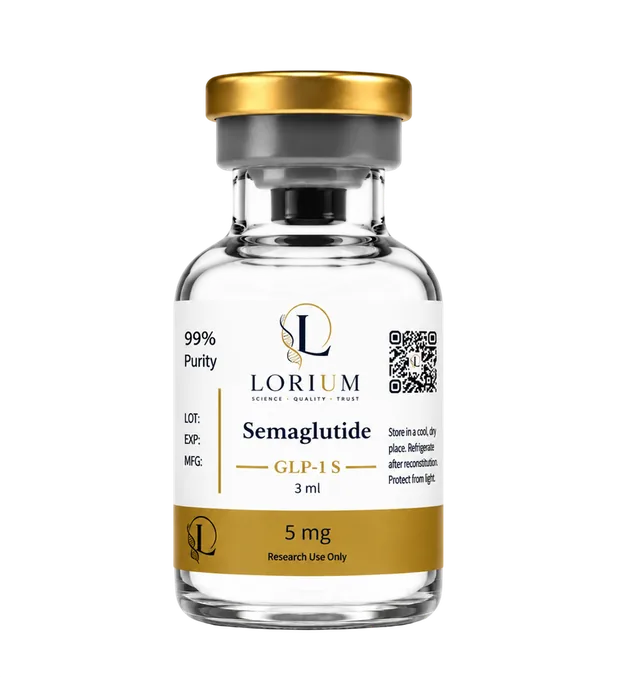
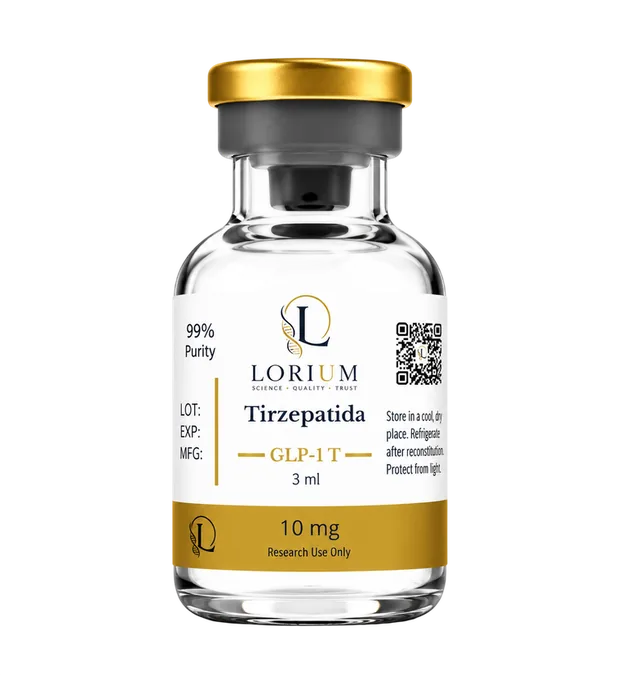
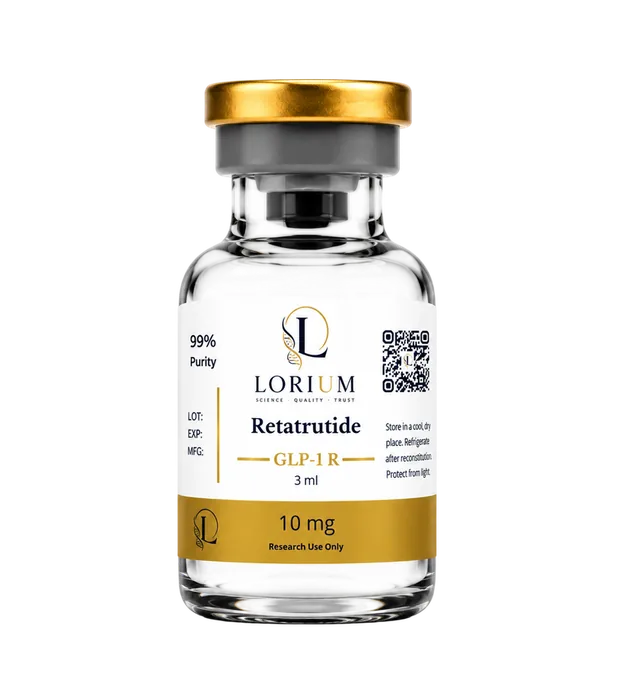
The GLP-1 class is the most-studied corner of the peptide world, and it's evolving fast. In a few years the field moved from single-receptor agonists to dual and now triple agonists. Here's how the three compare.
Semaglutide — the single agonist
Semaglutide activates the GLP-1 receptor, mimicking a gut hormone that signals satiety and stimulates glucose-dependent insulin release. Its structural optimization gives it a ~165-hour half-life, enabling once-weekly dosing. In the STEP trials, mean weight reduction reached roughly 15%, and cardiovascular outcome data has been a major part of its story.
Tirzepatide — the dual agonist
Tirzepatide adds a second target: the GIP receptor. Co-activating GIP and GLP-1 appears to produce greater effects on weight and glucose than GLP-1 alone, with trial weight reductions reported up to ~22.5% and notably low discontinuation rates. It's also dosed once weekly.
Retatrutide — the triple agonist
Retatrutide is the newest and most investigational of the three, adding a third target — the glucagon receptor — on top of GIP and GLP-1. The glucagon component is thought to increase energy expenditure. Phase 2 data reported weight reductions up to ~24%. It's earlier in its evidence journey than the other two.
How to think about the trade-offs
- Evidence maturity: semaglutide has the deepest track record; retatrutide the least.
- Magnitude vs. tolerability: more receptors can mean more effect, but titration and side-effect management matter more.
- Titration: all three start low and increase slowly — the ramp is as important as the destination.
- Fit: the right choice depends on your goals, history, and how your body responds — which is a provider decision, not a checkout decision.
The supervised path
GLP-1 therapy has real contraindications — including personal or family history of medullary thyroid carcinoma or MEN2. That's precisely why these belong in a supervised program. Start with an intake and a provider will map the class to your situation.