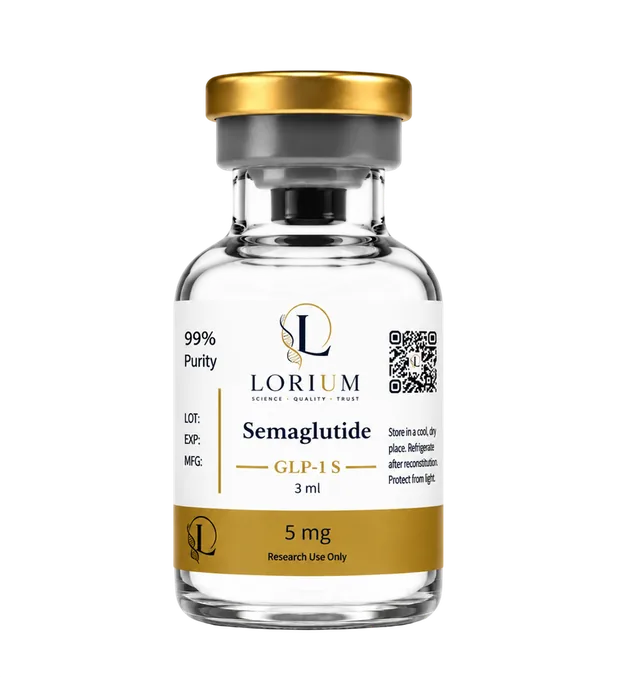
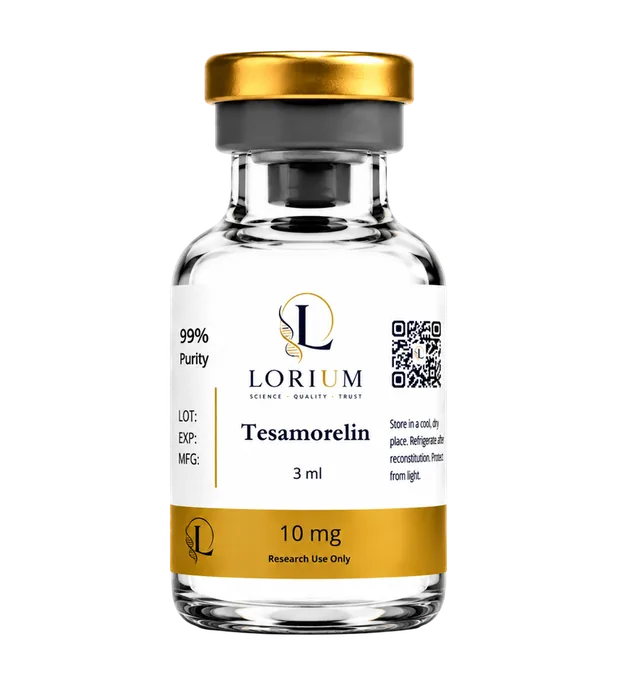
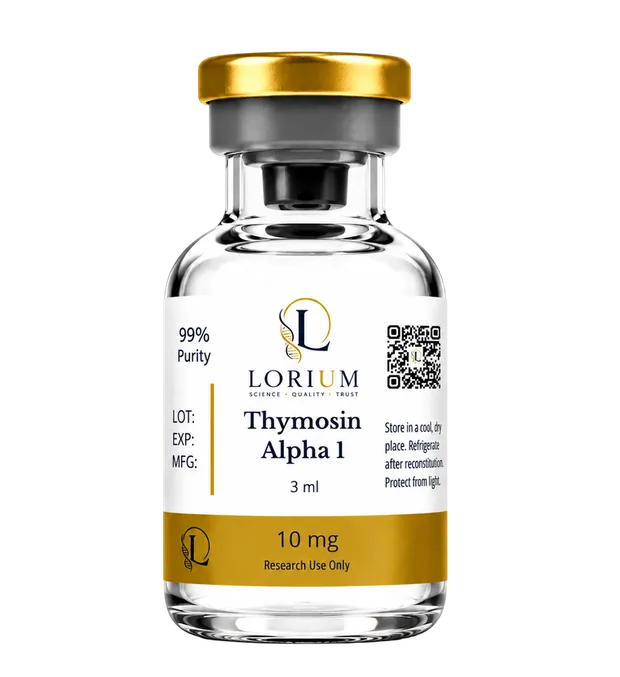
The grey market for peptides is large, and it's tempting: no forms, no provider, no wait. It's also where most of the risk lives. Here's what supervision actually adds.
Screening for contraindications
Every compound class has situations where it shouldn't be used. The GLP-1 class is contraindicated with a personal or family history of medullary thyroid carcinoma or MEN2. GH-axis peptides like tesamorelin interact with glucose regulation. A provider screens for these before anything is dispensed — a checkout page can't.
Titration and monitoring
Dose matters as much as compound. Most peptides are started low and increased slowly, with the ramp tailored to how you respond. Supervision means someone is watching for side effects and adjusting — not guessing from a forum post.
Verified, tested product
Supervision also means a supply chain you can trust. Grey-market vials are frequently under-dosed, impure, or mislabeled. Every LORIUM lot is third-party tested with a certificate of analysis covering identity, purity, and endotoxin.
What supervision looks like here
A structured intake, review by a provider licensed in your state, a titrated prescription with a monitoring plan, and a care team you can message. That's the whole difference — and it's the difference that matters.