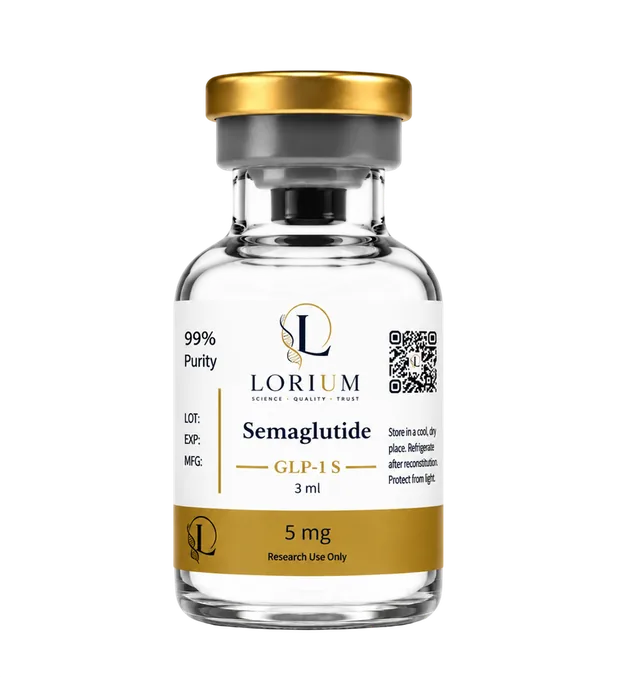
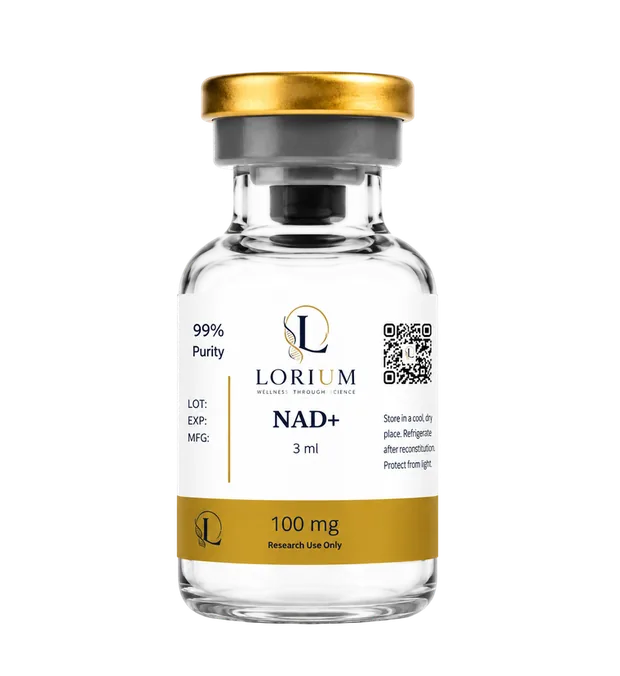
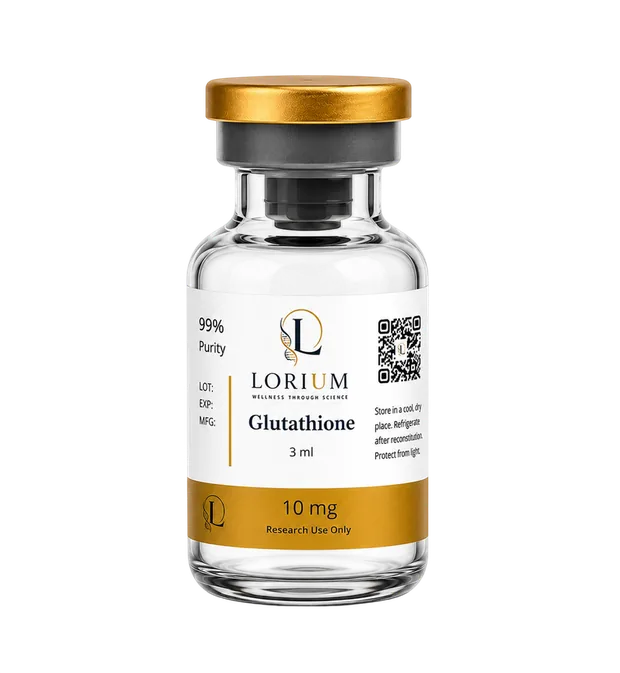
"Third-party tested" is a phrase everyone uses and few explain. The proof is the certificate of analysis (COA) — the lab document that should travel with every lot. Here's how to read one.
Identity
Confirmed by mass spectrometry, this line answers the most basic question: is the compound actually what the label says? Mass spec measures molecular weight to verify the peptide's identity. If a COA doesn't confirm identity, nothing else on it means much.
Purity
Measured by high-performance liquid chromatography (HPLC), purity quantifies how much of the sample is the intended peptide versus impurities or degradation products. Research-grade peptides are typically expected above 98–99%. Our formulary median sits above 99% — you can see it on each monograph.
Endotoxin
Endotoxins are bacterial byproducts that can cause injection-site reactions. A COA should show endotoxin screened to a low threshold — commonly below 0.5 EU/mg — especially for anything injected.
Sterility
For compounded, injectable products, a sterility pass confirms the lot is free of microbial contamination before release.
Why we publish ours
Purity is a claim until it's documented. That's why LORIUM ships a COA with every lot and cites the research behind every protocol — the standard we describe on our science page. If a supplier won't show you a COA, that's your answer.