"Longevity" is the peptide category most prone to overstatement, so it's worth being precise about mechanism. The compounds here don't stop aging — they target specific cellular pathways involved in energy production and repair.
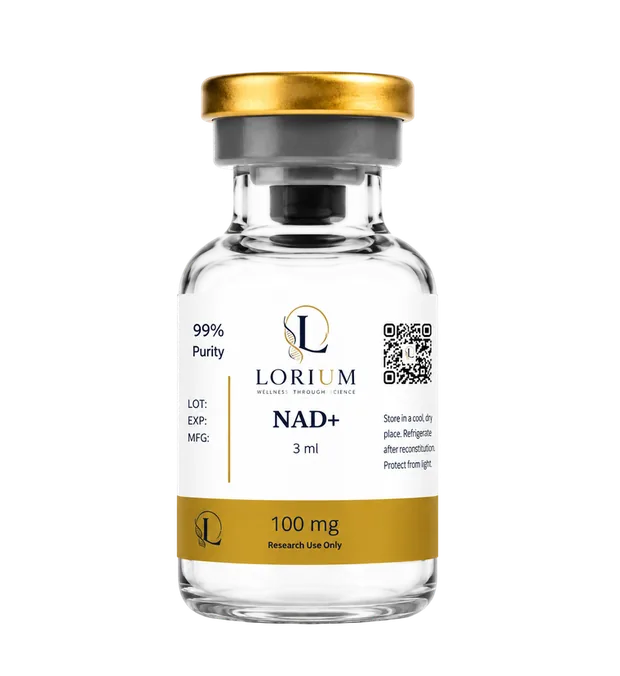
NAD+
NAD+ is a coenzyme present in every cell, central to converting nutrients into ATP (cellular energy) and to activating sirtuins, a family of enzymes tied to DNA repair and metabolic regulation. NAD+ levels decline with age, which is the basis for interest in restoring them.
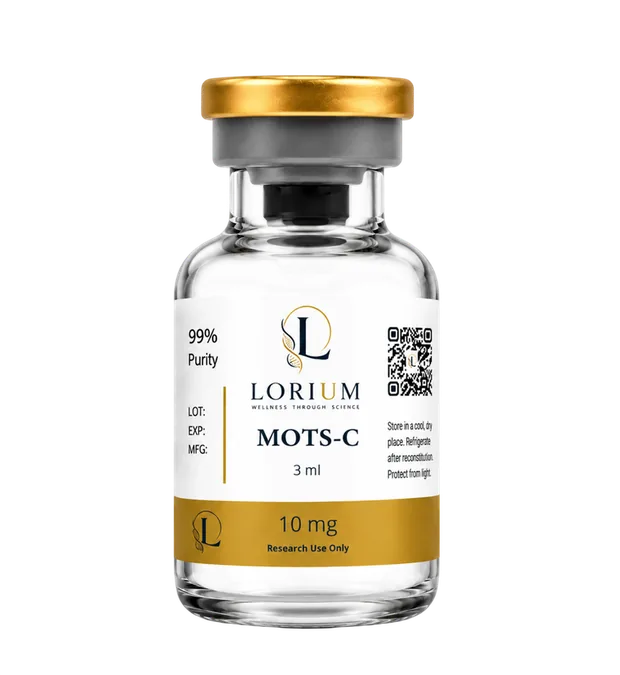
MOTS-c
MOTS-c is a peptide encoded within mitochondrial DNA that acts as a signal between the mitochondria and the cell nucleus. Research describes it as an "exercise mimetic" because it activates the AMPK pathway — the same metabolic switch that physical activity engages.
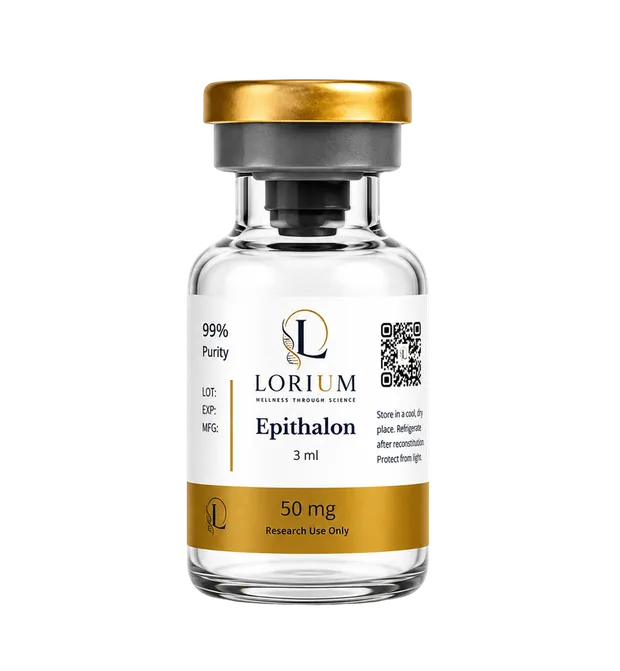
Epithalon
Epithalon is a synthetic peptide studied for its effects on telomerase, the enzyme that maintains the protective caps on chromosomes. Much of this work is early and preclinical, and claims in this area deserve particular scrutiny.
Reading longevity claims critically
- Distinguish mechanism (what a compound does in a cell) from outcome (what it does for a person over years).
- Be skeptical of specific percentage claims about lifespan or aging markers — the human evidence is usually thin.
- Look for the citation. Every LORIUM monograph links its sources so you can read the primary research.
If longevity is your goal, a provider can help build a sensible, evidence-weighted protocol rather than a stack chosen from a trend feed. Start with an assessment.