Recovery is the category where peptides get the most word-of-mouth attention. Two names dominate the conversation: BPC-157 and TB-500. Understanding what each is studied for — and where the evidence stands — helps set realistic expectations.
BPC-157
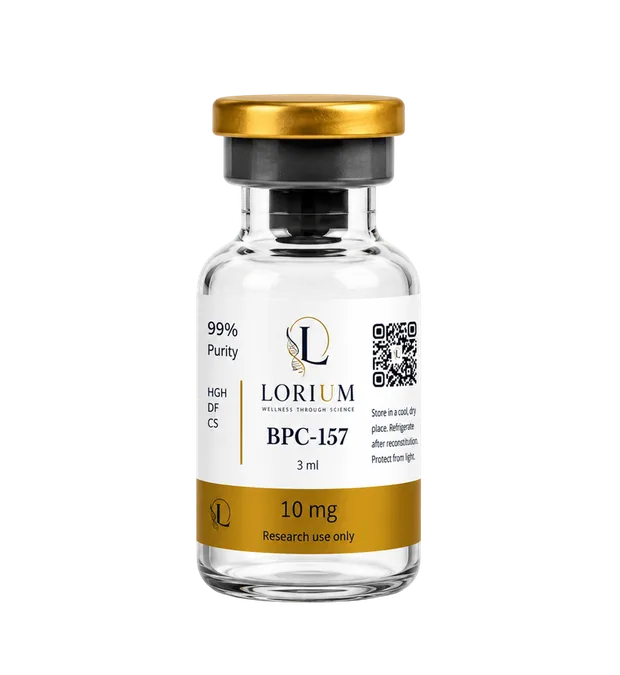
BPC-157 is a short peptide derived from a protective compound found in gastric juice. Preclinical research explores its role in tendon, ligament, muscle, and gastrointestinal healing, along with angiogenesis — the formation of new blood vessels that supply repairing tissue. Much of the current evidence is preclinical, which is important context.
TB-500
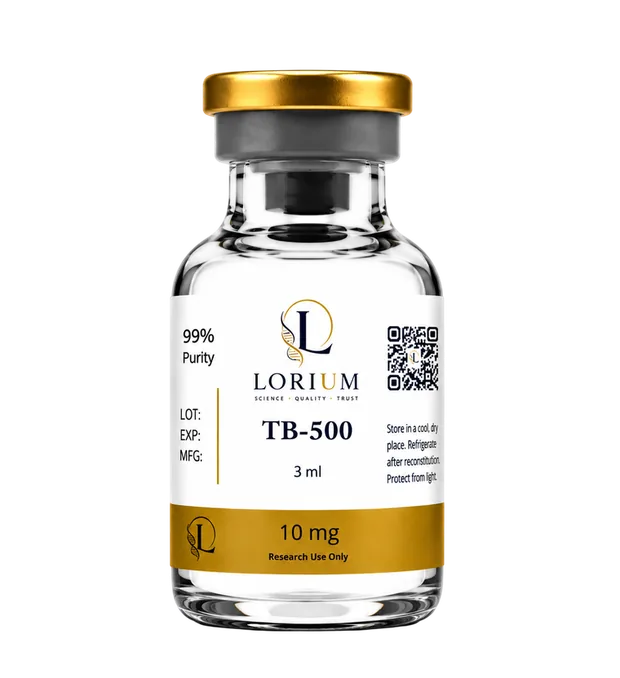
TB-500 is a synthetic fragment of Thymosin β4, a protein central to cell migration and tissue remodeling. It's studied for its role in moving repair cells to injury sites and supporting flexibility and range of motion.
Why the blends?
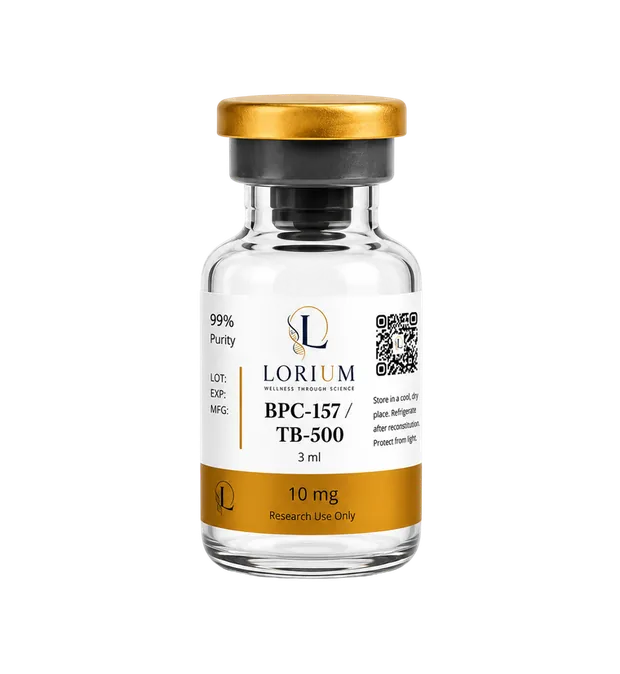
BPC-157 and TB-500 act through different mechanisms — one leaning toward growth-factor signaling, the other toward cell migration — which is why they're often combined. Our BPC-157 + TB-500 blend pairs them, and the broader GLOW and KLOW stacks add GHK-Cu and KPV for skin and gastrointestinal-focused goals.
A note on evidence and supervision
Several recovery peptides sit earlier on the evidence curve than the GLP-1 class, and some are best understood in a research context. A provider can help you weigh what's appropriate, and every LORIUM lot ships with a certificate of analysis so you know exactly what's in the vial.