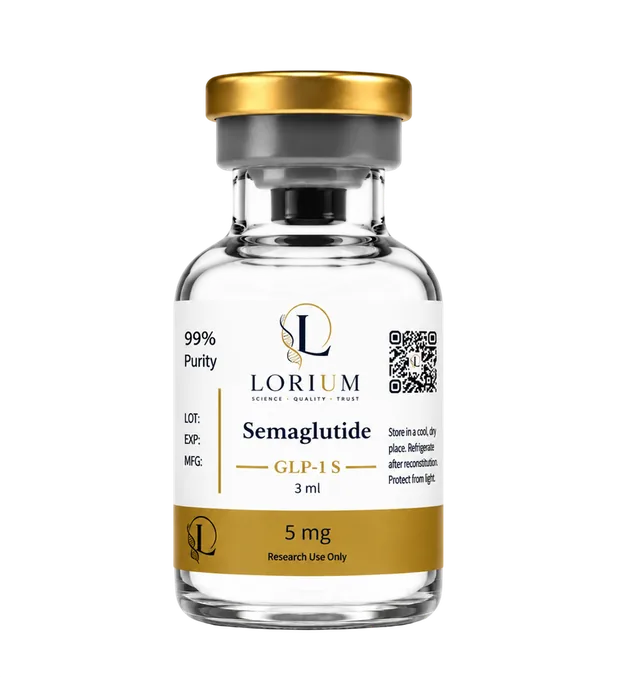
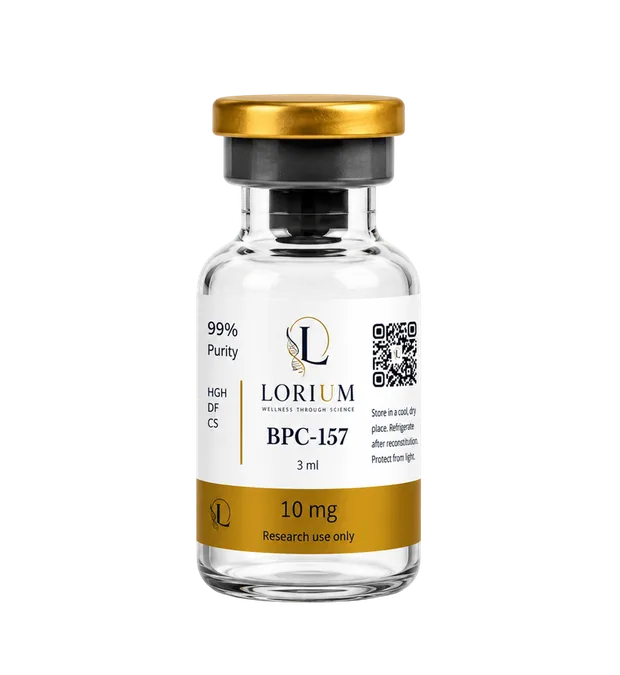
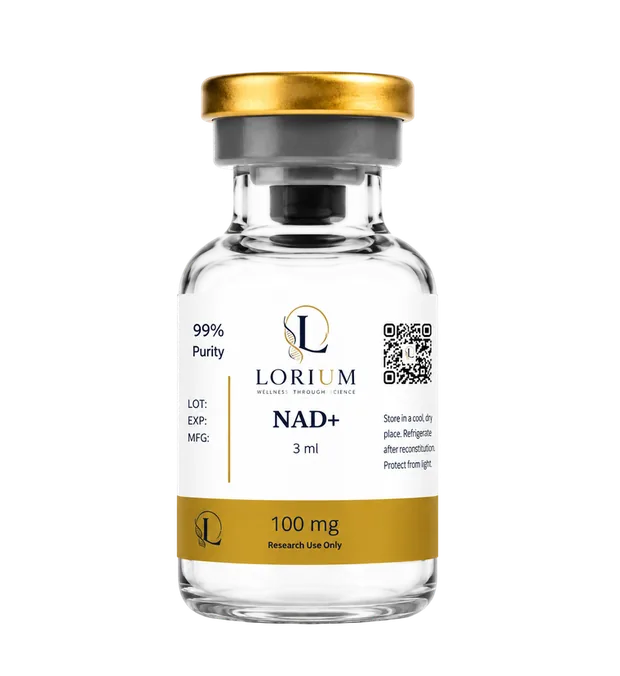
Peptides are short chains of amino acids — the same building blocks that make up proteins, just far smaller. Where a protein might contain hundreds or thousands of amino acids folded into a complex structure, a peptide is typically 2 to 50. That smaller size is exactly what makes them interesting: peptides act as precise biological signals, telling cells to release a hormone, repair a tissue, or modulate an immune response.
Your body already runs on peptides. Insulin is a peptide. So is the GLP-1 your gut releases after a meal. Therapeutic peptides borrow this native signaling language, using either exact copies of human peptides or structurally optimized analogues designed to last longer or bind more selectively.
Why the interest now?
Two things converged. First, manufacturing advanced to the point where highly pure synthetic peptides became practical. Second, the GLP-1 class — semaglutide and tirzepatide — produced metabolic results in large trials that reshaped how medicine thinks about weight and glucose. That success pulled attention toward the broader peptide space: recovery, longevity, cognition, and immune signaling.
How peptides are categorized
Peptides are usually grouped by what they signal. Metabolic peptides like the GLP-1 class influence appetite and glucose. Regenerative peptides like BPC-157 and TB-500 are studied for tissue repair. Longevity-oriented compounds like NAD+ and MOTS-c target cellular energy and aging pathways. Others act on the immune system, cognition, or libido.
The evidence is uneven — and that matters
This is the part most marketing skips. The GLP-1 class has extensive human trial data. Many other peptides are supported primarily by preclinical or early-stage research. That doesn't make them uninteresting, but it does mean claims should be read carefully, and a licensed provider should be involved in deciding what's appropriate for you. Reported effects are drawn from research and are not a guarantee of individual results.
The bottom line
Peptides are precise signaling molecules with real therapeutic potential and a real need for supervision. If you're curious where to start, the honest first step isn't a product — it's an assessment. Our intake maps your goals and history to what's appropriate.